“You have to be mindful and focused on the moment. It does not leave much room to let your mind wonder on things that may be going on in your life,” explained Eva-Maria Stelzer, the author of the University of Arizona report.
YOGA TRÊN TƯỜNG
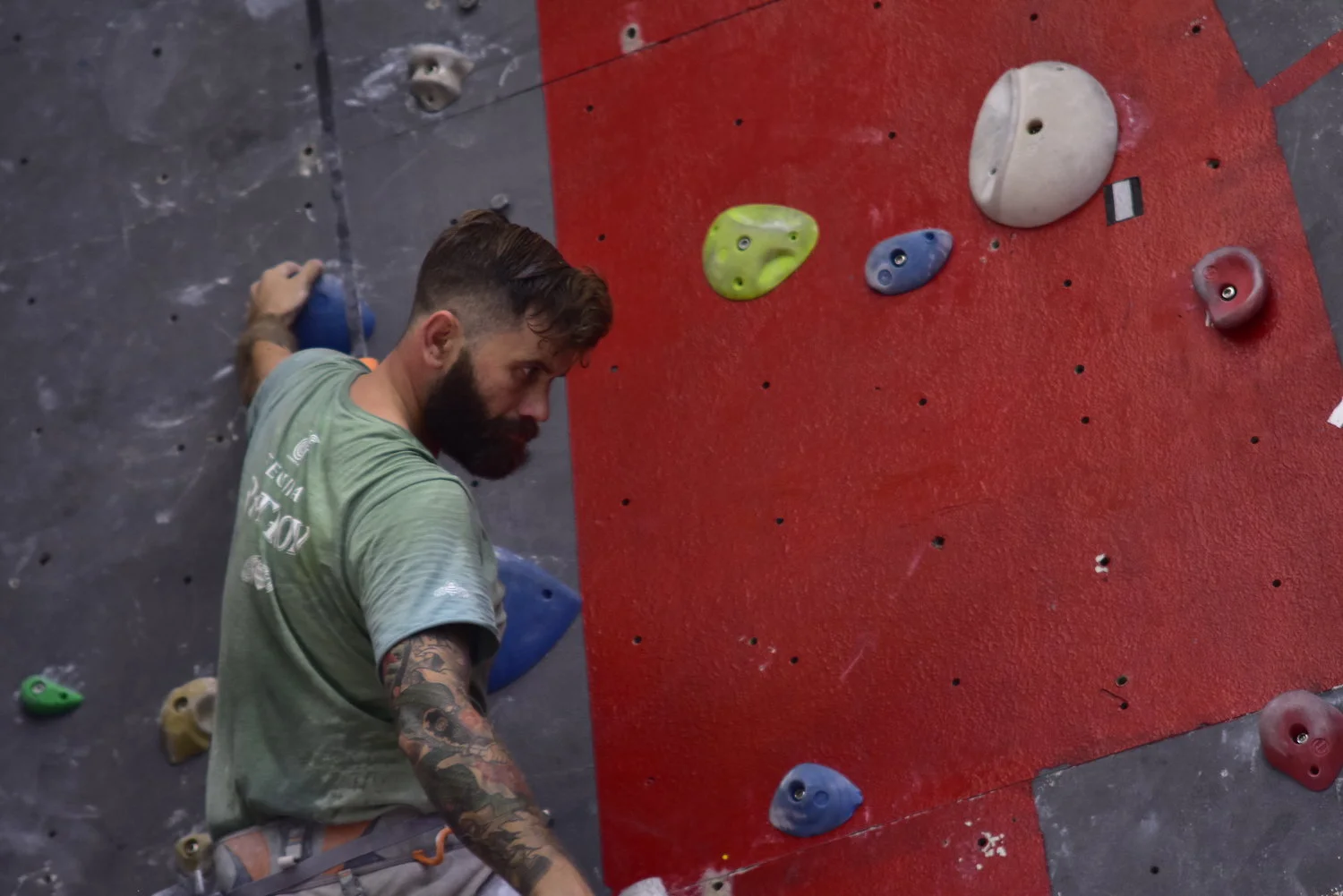
“Climbing is like yoga on a wall,” said Ben Grey, winner of the Novices division in the 2017 Rocktober competition. He sees climbing as a way of keeping much more than muscle conditioning.
“You’re physically pushing yourself but you can’t really think of anything other than not falling off, so it’s a great way to clear work stress,” he said.
Đối với những người mới tập leo núi, họ thường cảm nhận môn thể thao này như một hoạt động thể chất nhiều đến mức họ không thể nắm bắt được khía cạnh tâm lý của nó. Những người mới tập hay đã tham gia lâu sẽ sớm nhận ra khía cạnh tâm lý quan trọng và vượt xa ngoài mong đợi, không chỉ là việc hoàn thành một thử thách.
It’s Science, Bruh
Không chỉ những người mới chuyển sang leo núi mới cảm thấy hạnh phúc và nói về tâm trí, sự tỉnh táo và bình tĩnh. Các nhà nghiên cứu từ Đại học Arizona đã cảm thấy rất ấn tượng với những lợi ích tâm lý của việc leo bouldering đến mức họ đề xuất đó là một phương pháp điều trị chứng trầm cảm. Các bác sĩ ở Đức cũng đã đưa ra một kết luận tương tự.
Lợi ích của việc tập thể dục bình thường đối với sức khỏe tinh thần đã được công nhận từ lâu, nhưng đặc biệt, leo núi có sự pha trộn đặc biệt của cảm quan và thử thách, rất tốt cho tâm hồn.
“You have to be mindful and focused on the moment. It does not leave much room to let your mind wonder on things that may be going on in your life,” explained Eva-Maria Stelzer, the author of the University of Arizona report.
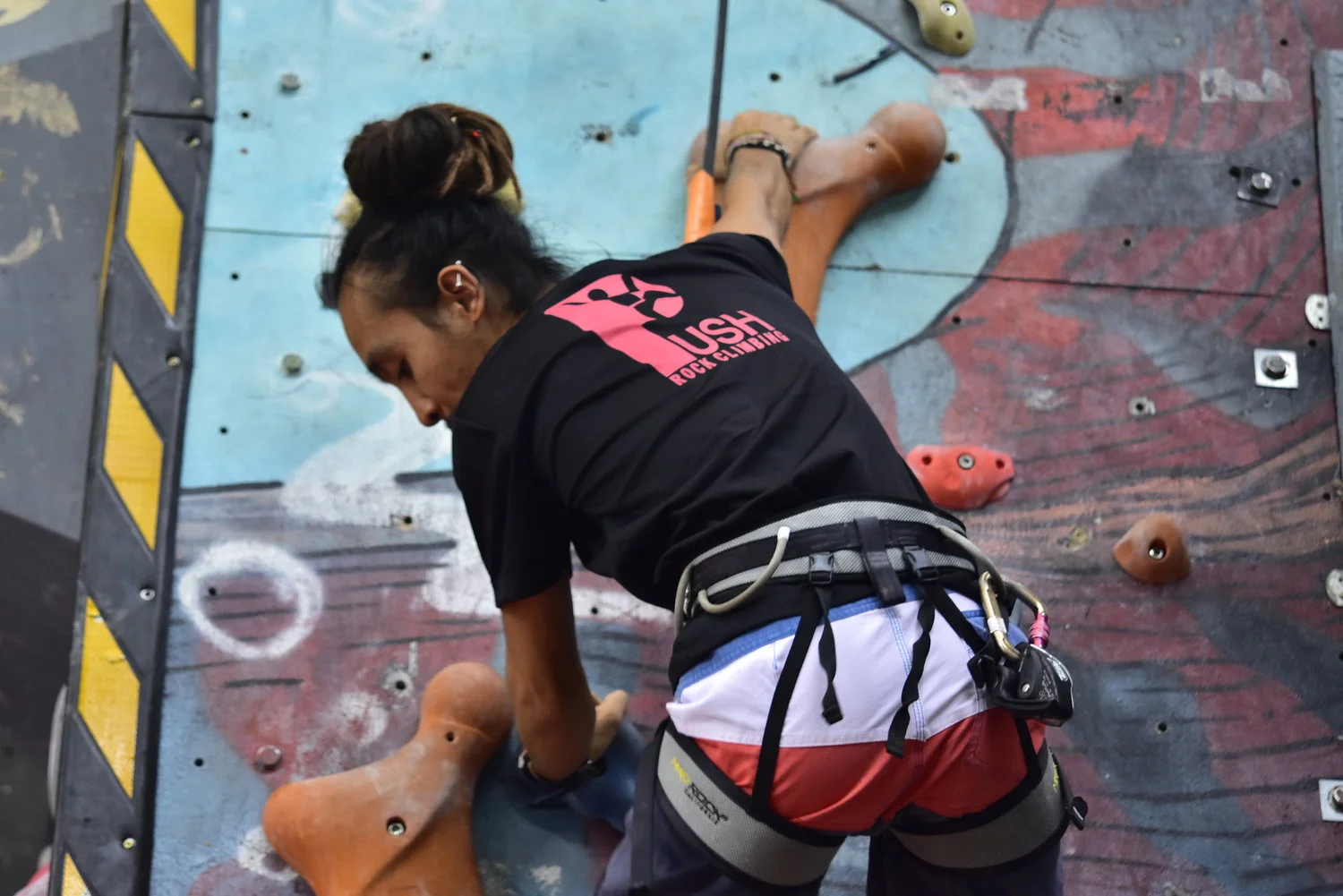
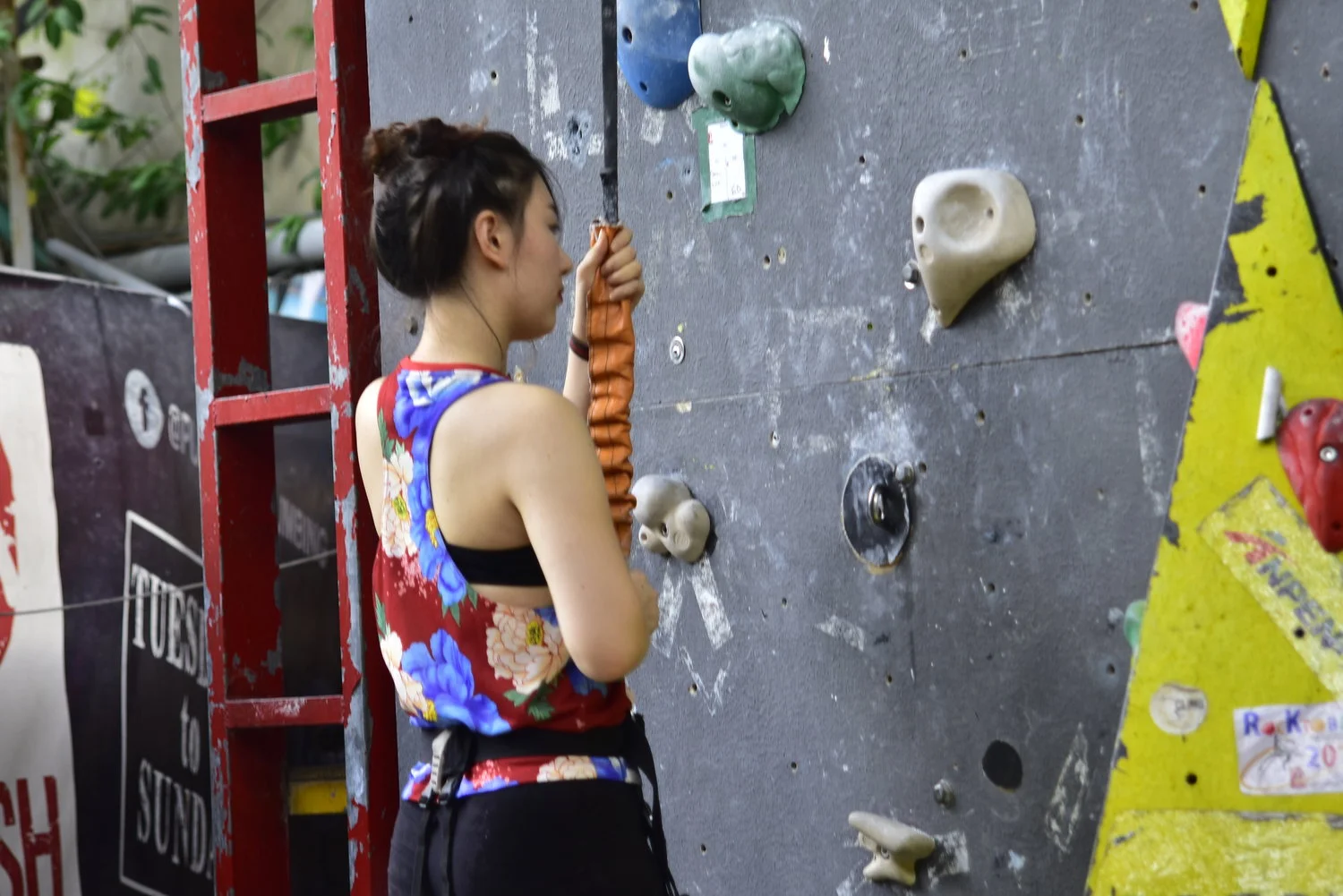
Điều này không chỉ đơn giản là một sự tách biệt tạm thời khỏi những lo lắng hàng ngày hoặc một cách để dọn dẹp tâm trí. Những lợi ích tâm lý của việc leo núi còn tạo ra một sự cải thiện giàu có và bền vững về phong thái tự tin và sự tập trung.
That mindfulness and focus comes from climbing’s seemingly contradictory blend of simultaneously heightened awareness (“please don’t let me fall off this wall”) and studied calm. Or as Franklin Marlon Buenafe, instructor at Push Climbing, puts it, “It’s both excitement and peace. On the wall I’m like a horse with blinkers on – it’s that focused mindset.”
“It’s all about the mindset in climbing: what’s the next move? The next part of the puzzle? How do I finish the route?”
Một điều chắc chắn rất hấp dẫn đó là quá trình giải quyết thử thách theo tốc độ của riêng bạn,. Tất nhiên bạn cố gắng tìm ra lời giải bằng cách cố hết sức để không rơi xuống một vị trí cao, điều đó cũng có thể được xem là một sự hối thúc giải quyết.
TÁC ĐỘNG Ở MỌI CẤP ĐỘ
You don’t have to be a seasoned climbing instructor like Franklin to reach that mental state. A quick poll of total beginners at Push gets the same sentiment – albeit phrased a little differently. “It’s somewhere between concentration and fear” visitor Thanh said smiling wryly while climbing for the first time with his grown sons Alex and Nguyen.
Leo núi xóa hết mọi âu lo trong tâm trí và thấm nhuần trong từng chuyển động một cách rõ ràng, điều mà bạn chỉ nhận được từ những thử thách mang tính thể chất, tinh thần và ra khỏi vùng thoải mái của bạn.
Và chúng tôi đã đã đề cập đến việc bạn đã cố gắng không rơi ra khỏi bức tường chưa nhỉ?
In fact that clarity outside of the comfort zone also has a remarkable effect on confidence and calm. It’s not unusual to find climbers working their way up the wall who are there precisely because they are facing down their fears – including a fear of heights. At Push Climbing we’ve had firefighters in training come to us to overcome a fear of heights before applying for their dream job.
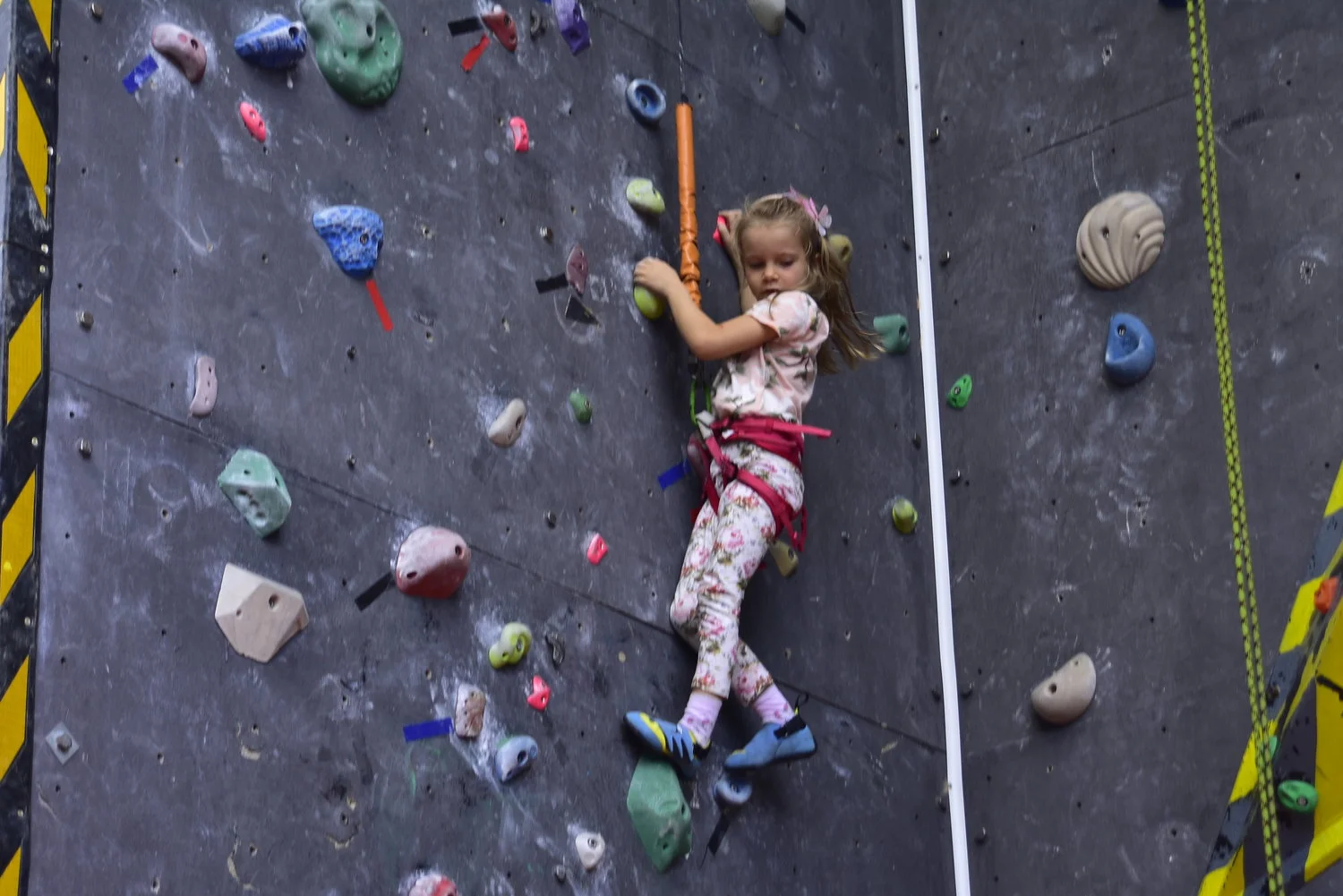
LEO NÚI VÌ MỘT CUỘC ĐỜI KHÔNG SỢ HÃI
Huấn luyện viên Vy Hoang nhận thấy rõ điều này.
“Before climbing I used to be scared of heights,” she explains. “I would not be able to look down from tall places. So I started top roping as a way of getting used to it and found myself thinking about the moves, and about the handholds, not the height.” Now, Vy is a climbing instructor at Push Climbing, and while she still recognizes the natural nervousness of being up on a wall, her fear of heights is gone.
“Of course I still feel a little scared when climbing but a year and a half later and I can look down where I couldn’t before.”
Of course there is a down side. Like any performance-enhancer climbing brings with it the risk of dangerous addiction. Take Jun Vidal, competitive climber and Push Climbing instructor. “For me it’s so much more than a physical thing; it’s my lifestyle and my life. If I don’t climb I feel weak and sometimes I get the need to be on the wall so everything can clear out of my mind.
“Then, when you’ve finished the wall it’s ‘whew’ and everything is gone.”
Chính là vậy. Bạn trả tiền để trị liệu hoặc hãy đến đây và leo núi.
Được viết bởi Steve Shipside.

 Tiếng Việt
  English