Is Rock Climbing an Extreme Sport? And Is Gym Insurance Really a “Scam”? Let’s Talk Facts
A Clear, Data‑Backed Look for Crescent Wall Climbers
Hello Push Peeps!
Today’s post is a little different. No promotions, no discounts, no “new holds just arrived” hype. Just honesty, transparency, and a bit of education.
Recently, we noticed a Google map’s review calling our climbing insurance a “money grab.” Ouch 😅
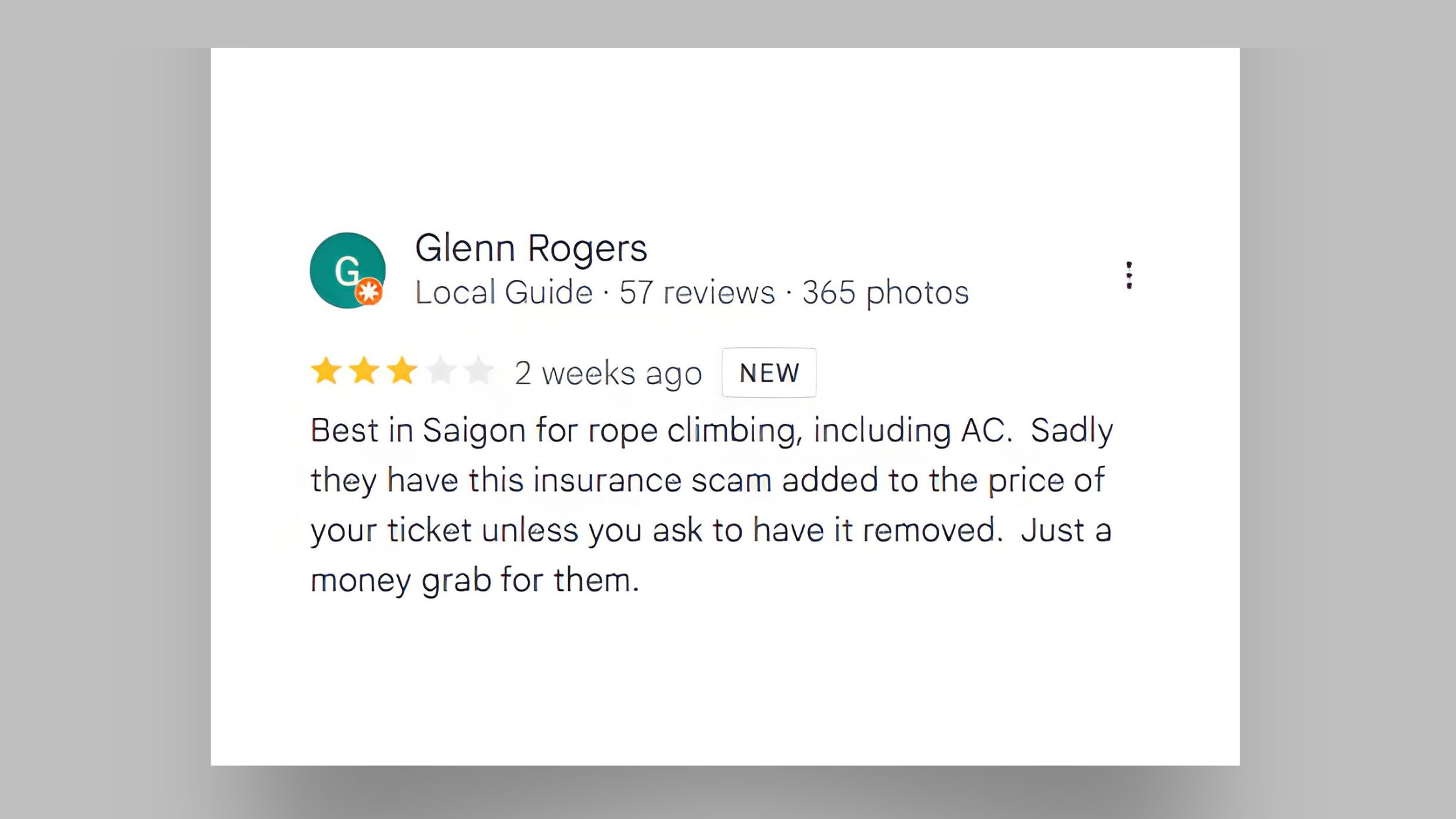
And honestly? That one is on us — we didn’t explain the insurance clearly enough. So let’s fix that and get all the facts straight.
This post is about what climbing risk really looks like, why insurance exists, and how it actually works at Crescent Wall.
Serious accidents are extremely rare in supervised indoor gyms.
First Things First:
Is Rock Climbing an Extreme Sport?
Yes… and also no.
Rock climbing is officially classified as an extreme sport because it involves height, gravity, and technical movement. But here’s the important part:
👉 Indoor climbing is statistically safer than many everyday sports.
“Indoor climbing injury rates range between 0.2 and 1.0 per 1,000 hours, depending on the discipline, with bouldering consistently showing higher rates than rope climbing.”
— Schöffl et al., Sports Medicine Review
This is lower than football, basketball, rugby, and even recreational running! The vast majority of injuries are minor, not life-threatening
So no — climbing is not a death wish.
But also no — it’s not completely risk-free. And that’s where insurance comes in.
Bouldering vs Top Rope vs Auto belay:
Where Do Injuries Actually Happen?
Let’s break it down 👇
Bouldering (No Rope, Shorter Walls)
Bouldering accounts for the highest percentage of gym climbing injuries.
Why?
- Frequent falls
- Dynamic moves (hello dynos 👋)
- New climbers often underestimate falling technique
Most common bouldering injuries:
- Ankle sprains and twists
- Wrist and forearm injuries
- Heel and foot bruising
- Finger strains
👉 Research from European climbing federations and safety reports indicates that approximately 70–75% of reported indoor climbing accidents occur in bouldering areas, primarily due to uncontrolled or awkward landings on the mat.
“Bouldering accounts for the majority of indoor climbing accidents, with falls during descent being the most frequent cause.”
— German Alpine Club (DAV) Indoor Gym Accident Statistics
Important note:
These injuries are usually minor and preventable with proper falling technique and down‑climbing.
Top Rope & Lead Climbing (Sport Climbing)
Rope climbing in gyms shows a lower overall injury rate than bouldering.
Common issues include:
- Overuse injuries (fingers, shoulders, elbows)
- Occasional wall contact or rope burn
- Very rare belay‑related incidents, usually linked to human error
While sport climbing accidents are less frequent than bouldering incidents, studies note that when accidents do occur, they have a higher potential for severity due to fall height, belay errors, or incorrect clipping.
“Although rope climbing shows a lower injury frequency, accidents in lead or top‑rope climbing tend to involve greater injury severity compared to bouldering.”
— MDPI Sports, Narrative Review on Indoor Climbing Injuries (2024) This is why strict safety systems, checks, and training are essential.
Autobelays: Are They Safe?

Autobelays are widely used worldwide and are considered safe when used correctly.
The most commonly reported incidents are not device failures, but:
- Not clipping in at all
- Incorrect attachment to the harness
This is why Push Climbing emphasizes:
- Clear clip‑in reminder signage
- Visual safety markers at the start of auto belay routes
- Staff instruction and supervision
We will continue to reinforce the rule:
“Check your clip‑in — every climb, every time.”
Let’s Talk About Insurance (And Bust the Myths)
Across multiple studies, researchers consistently identify a small number of repeats causes behind most indoor climbing injuries. These include falls during bouldering landings, skipped or incomplete safety checks, incorrect clipping in sport climbing, and overuse injuries caused by repetitive movement patterns.
“The majority of climbing injuries are associated with falls, belay or clipping errors, and chronic overuse rather than equipment failure.”
— Schöffl et al., Wilderness & Environmental Medicine
The good news? Most of these risks are preventable with good habits, education, and awareness.
That’s exactly why we:
- Strongly recommend our climbing introduction course
- Teach proper falling and landing technique
- Place safety reminders throughout the gym

So… Do We Really Need Insurance?
✔ Yes — but hopefully you’ll never use it.
Insurance exists for the same reason:
- We wear seatbelts
- We buy travel insurance
- We put crash mats under walls
Not because accidents happen all the time, but because when they do, they’re expensive. A single ankle injury can mean:
- X-rays
- MRI
- Specialist consultation
- Time off work
Insurance is not about fear. It’s about being prepared.

“Is the insurance run by the gym?” –
❌ Nope.
Crescent Wall and Push Climbing – do NOT provide or control the insurance. We collaborate with PVI Insurance, one of Vietnam’s established insurance providers.
What does that mean?
- Our front desk submits your insurance details directly to PVI
- Your contract is with PVI, not with us
- If something happens, PVI handles the claim
- We are simply the bridge that makes it easier for climbers
“Is Insurance Mandatory?” –
❌ No. It’s optional.
You can opt out at the moment of purchase, no questions asked.
Then why is it included by default?
Simple: Many first-time climbers don’t know they need it. Accidents are more common among beginners. Especially for people who skip the intro course and go straight to bouldering dynos 😄
We prefer: Prepared > Sorry
By the way — our climbing introduction course covers:
- Safety rules
- Wall etiquette
- Proper falling technique (very important!)
- Risk awareness
We strongly recommend it for new climbers.
Why Is Insurance Not Included in Memberships?
Good question.
The current insurance package provides daily coverage. With memberships, we can’t accurately estimate:
- How many days you’ll climb
- How often
- Over what time period
So we can’t fairly price it into memberships (yet).
👉 If you want longer-term coverage, you can contact PVI insurance directly and choose a personal plan that matches your climbing frequency and goals.
And yes — we’re exploring future options 👀
What Does the Insurance Actually Cover?


The current Climbing Insurance Package (100,000,000 VND per person) includes coverage for:
- Hands & upper limbs
- Legs & lower limbs
- Spine-related injuries
- Dentomaxillofacial injuries
- Soft tissue injuries & burns
Compensation ranges depend on injury type and severity, as defined by PVI’s policy terms.
You can review the full insurance details at the front desk anytime.
Final Words from the Push Team💛
Rock climbing is:
- Challenging
- Empowering
- Incredibly fun
- And statistically safer than many people think
Insurance is not a scam. It’s not a punishment. It’s not “a money grab”.
Insurance is simply a safety net — one we hope you’ll never need.
Thank you for holding us accountable and helping us communicate better.
If you have questions, concerns, or suggestions — our doors (and DMs) are always open.



 English
  Tiếng Việt